
Remediation of Contaminated Sites in Europe
The “Contamination Gap” and Regulatory Pressure
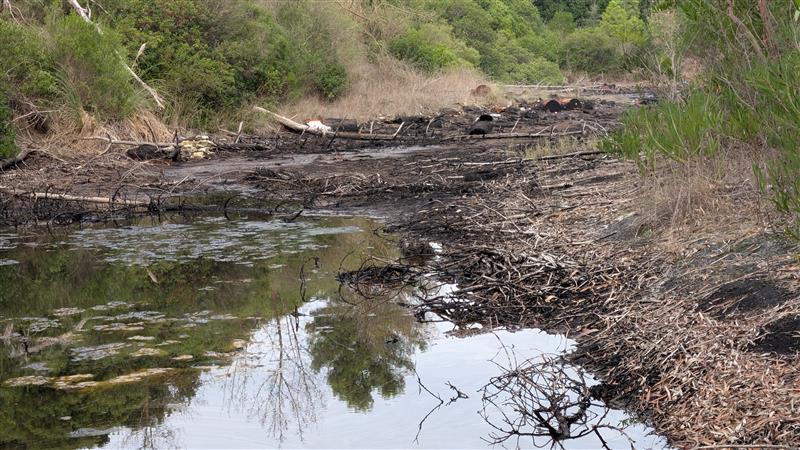
The European market for contaminated site remediation faces a critical information gap. An estimated 11.7 million potentially contaminated sites exist, with only 2.5 million identified. To close this gap, the EU has implemented a new legislative framework. This rigorous framework—led by the new Soil Monitoring Act and the European Green Deal (European Parliament Directive) — mandates the creation of robust inventories and mandatory monitoring. Thus, the sector operates under a logic of strict legal compliance, where water and industrial emission directives compel the prevention and penalization of pollution through the “polluter-pays” principle.
Technological Transition: From “Dig & Dump” to Sustainable Solutions Soil Decontamination
There has been a fundamental shift from traditional techniques applicable to contaminated sites requiring excavation and landfilling (ex-situ), now considered unsustainable, to in-situ treatments that destroy contaminants underground, such as bioremediation and chemical oxidation.
The current trend in contaminated site remediation favors “Green Remediation.” In this context, “treatment trains” are used, combining high-intensity technologies to reduce the initial pollutant load. This is followed by the adoption of low-cost, more “natural” solutions (such as phytoremediation) for final polishing, integrating circular economy principles into the solutions.
The Critical Challenge of PFAS (“Forever Chemicals”)
The biggest technical and financial obstacle is widespread contamination by PFAS, substances that do not degrade naturally and challenge conventional biological technologies. Thus, current solutions, such as activated carbon and membranes, only separate and concentrate the contaminant without destroying it, generating hazardous secondary waste and management costs that can amount to hundreds of billions of euros. This has created a financial “ticking time bomb” that is redefining corporate responsibility and driving demand for emerging destruction technologies.
Redevelopment and Value Creation in the Remediation of contaminated sites
The ultimate goal of remediation from contaminated sites evolved from simple “risk cleanup” to “fit-for-use remediation,” thereby serving as a driver for urban regeneration and recovery of Brownfields. Instead of just isolating contamination, modern projects in megasites industries integrate decontamination with urban planning. These projects then transform environmental liabilities into economic assets for housing and green infrastructure, aligning environmental engineering with the 2050 climate goals.
André Vieira – ETP Consultant