
Studies of Soil and Groundwater Contamination
The presence of contaminants in soil and aquifers represents a serious threat to ecosystems, public health, and the viability of real estate or industrial projects. ETP offers a complete diagnosis and characterization service for affected areas. Through rigorous sampling methodologies and certified laboratory analyses, we map the extent of the problem to design the most effective solution.
Methodology and Technical Procedures
Our studies are conducted in strict alignment with the Technical Guides of the Portuguese Environment Agency (APA) for the assessment of contaminated soils. The process is structured in the following stages:
1. Sampling Network Planning and Design
Conceptual Site Model (CSM) Before any drilling, we develop a preliminary model that crosses the geology of the land, hydrogeology (groundwater flow), and potential contamination sources.
Intervention Strategy Definition of the sampling grid (collection points), target depths, and chemical parameters to analyze, ensuring data representativeness and cost optimization.
2. Fieldwork Execution
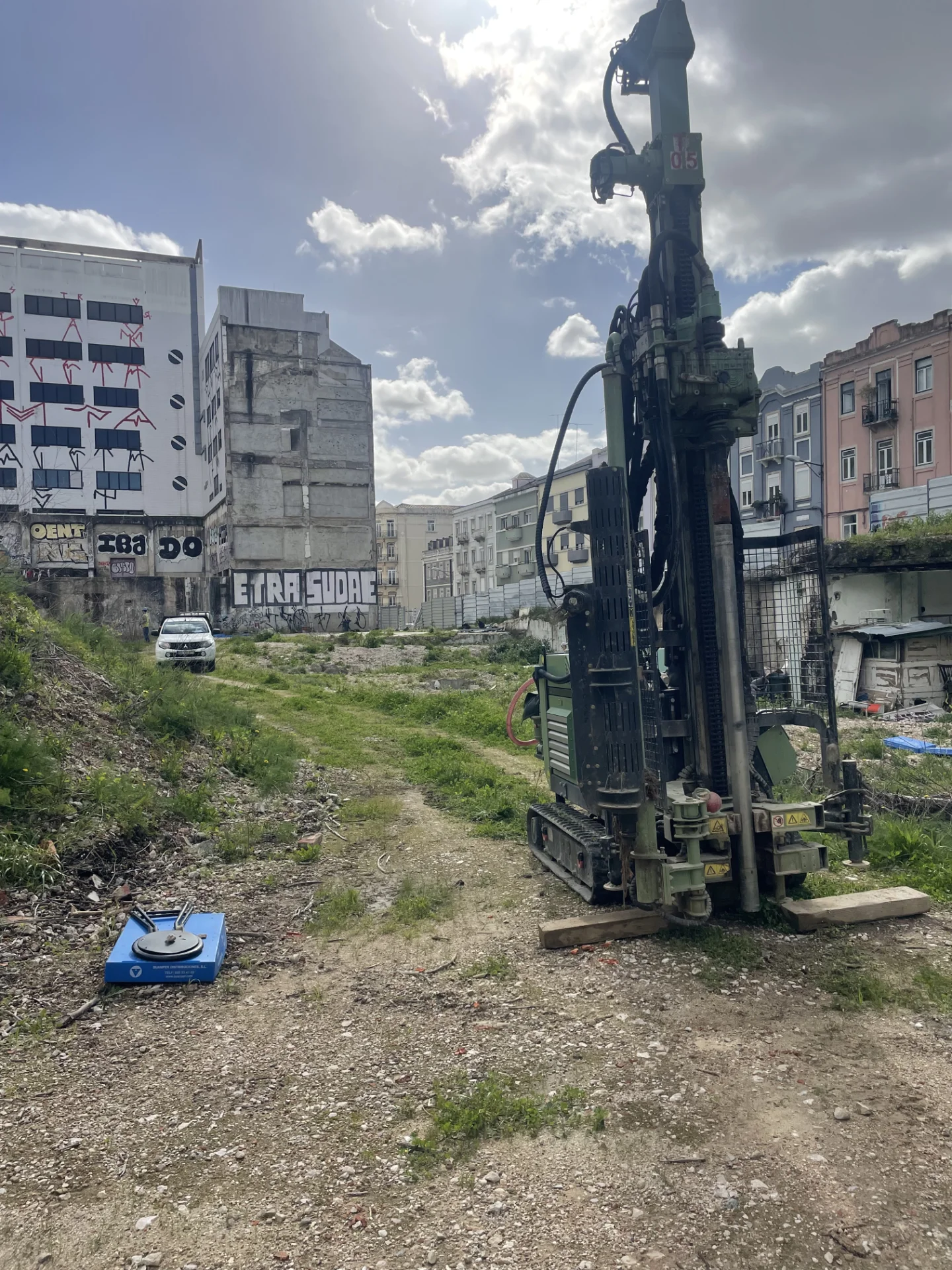
Mechanical and Manual Soundings: Continuous soil extraction for lithological characterization (soil/rock type) and organoleptic detection of contaminants.
Installation of Piezometers: Construction of monitoring piezometers to access aquifers, allowing measurement of the water table and collection of groundwater samples over time.
Environmental Sampling Technical collection of soil, water, and, when necessary, interstitial gas (soil vapor) samples, ensuring chain of custody preservation until laboratory delivery.
3. Analysis and Quantification
Accredited Laboratory Tests Determination of pollutant concentrations (e.g., TPH, PAHs, PCBs, chlorinated solvents, metals).
Impact Quantification Calculation of contaminant mass and delineation of the volume of soil or water requiring intervention (contamination plumes and source zones).
4. Technical Report Preparation
We delivered a detailed document comparing analytical results to National and International Reference Values, including 2D/3D mapping of affected areas and recommendations for the next phases (Risk Assessment or Remediation).
Commitment to Rigor
A poorly designed contamination study can lead to unnecessary costs in later stages. The ETP approach ensures that diagnosis is made with maximum surgical precision, supporting licensing and rehabilitation processes with scientifically irrefutable data.